The project generated an evidence based understanding of gender dynamics within the target communities, as well as cultural norms influencing women’s participation in decision making. Leveraging on institutional collaboration and stakeholder commitment through high level advocacy visits, the project in review…
Reporting period: 2025-2026
Project location: Benin City, Edo, Nigeria
Funding partner: WomenAid Collective (WACOL) 
Date published: 2026
Background
Justice Development and Peace Centre (JDPC) Benin, with support from the Women Aid Collective (WACOL), made significant strides in promoting gender equality and preventing gender-based violence (GBV) through its project, “Empowering Christian Women and Women Leaders of Culture for Prevention and Response to Gender-Based Violence in Nigeria through the Strengthening of Grassroots Organizations.”
Implemented in Useh and Ogbe communities of Edo State, the project aimed to empower women, strengthen grassroots institutions, and foster collaboration among religious, traditional and government stakeholders in addressing gender-based violence.
As part of the project’s first phase, JDPC Benin conducted a baseline assessment in the target communities to understand prevailing gender norms, the prevalence of gender-based violence, and existing community response mechanisms. The assessment involved men, women, and youths and provided valuable insights into the cultural and social barriers that hinder the reporting and prevention of GBV.
The findings revealed that although awareness of gender-based violence is increasing, deep-rooted cultural beliefs, fear of stigma, and limited trust in formal institutions continue to affect survivors’ willingness to seek justice. The data generated will serve as a benchmark for measuring future progress and guiding evidence-based interventions.
Project Objectives
- The activities implemented under the project “Empowering Christian Women and Women Leaders of Culture for Prevention and Response to Gender-Based Violence in Nigeria, through the Strengthening of Grassroots Organizations” were strategically designed to promote gender justice, strengthen women’s leadership, and advance coordinated community action against Gender-Based Violence (GBV) in Edo State.
- The project sought to generate an evidence based understanding of gender dynamics within the target communities of Ogbe and Useh through a baseline survey that captured the prevalence, patterns, and perceptions of GBV, as well as cultural norms influencing women’s participation in decision making.
- Furthermore, it aimed to strengthen institutional collaboration and stakeholder commitment through high level advocacy visits to key actors.
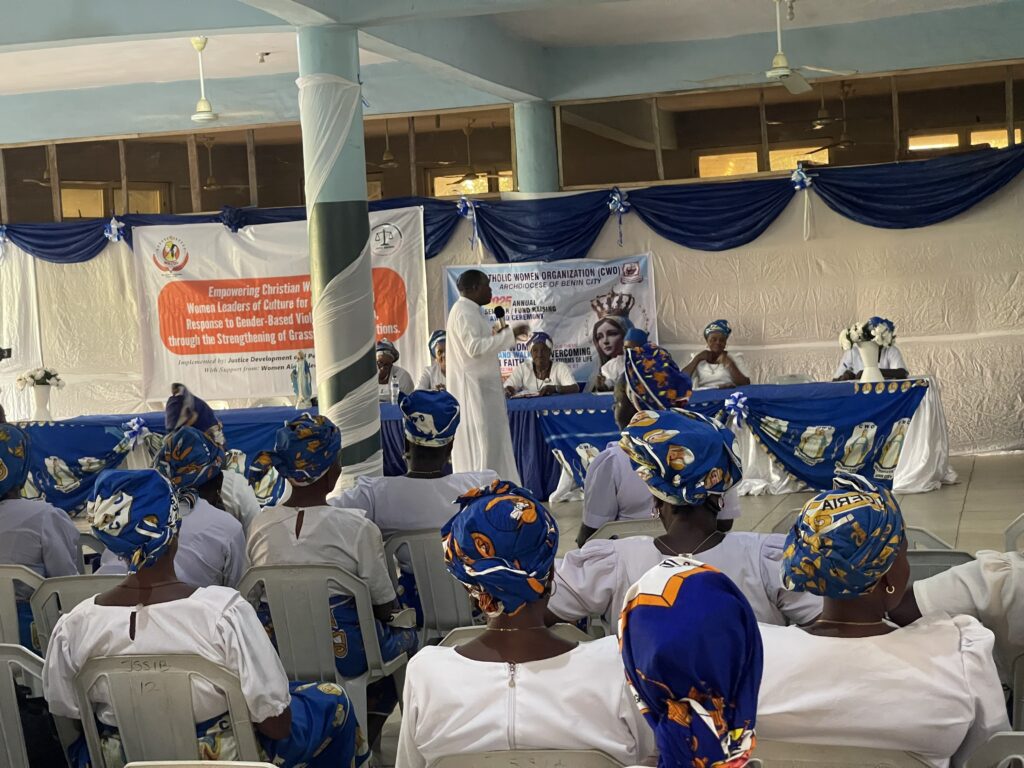
- In addition, the project focused on enhancing the knowledge and awareness of Christian women and women leaders of culture through sensitization sessions.
- The initiative also sought to promote positive shifts in community attitudes by engaging faith based and traditional leaders to foster behavioral change and support women’s rights as vital to peace and development.
Implementation
Baseline Survey and Assessment
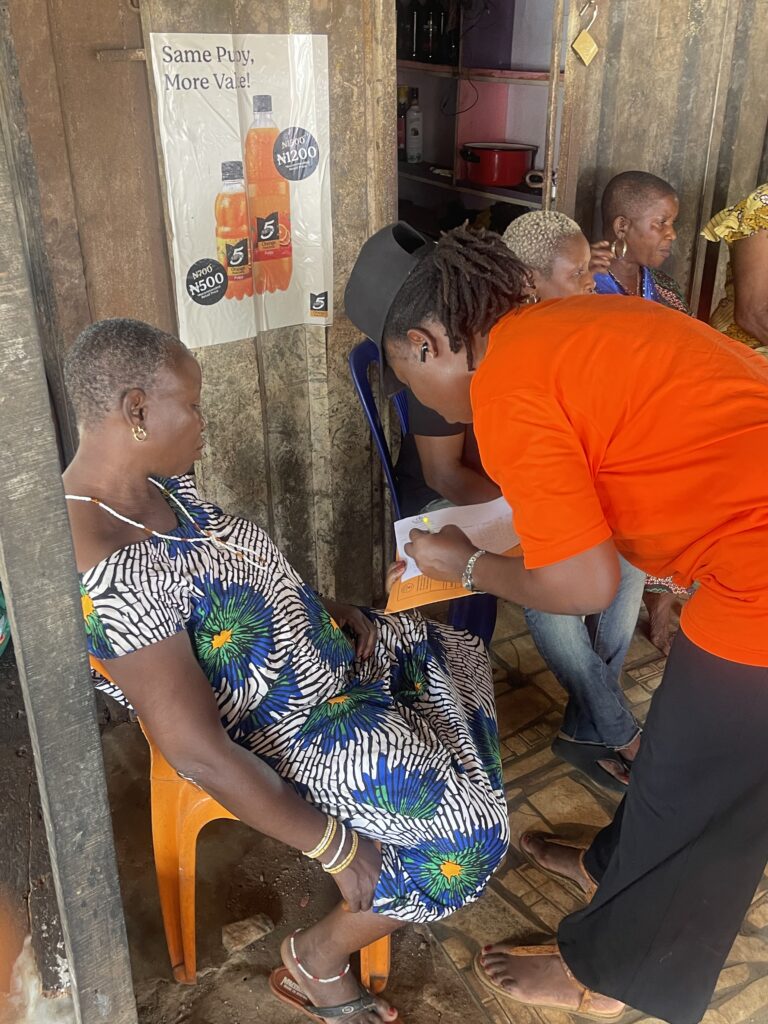
A survey was conducted the across selected project communities to establish existing knowledge, attitudes, and practices relating to gender equality, GBV prevention and response. Google forms were designed to capture both qualitative and quantitative information from key population, including women, men and youths in the communities. The survey findings provided critical insight into prevalent forms of GBV, cultural perceptions that normalize gender inequality, and gaps in access to justice and support services for survivors. The results will serve as a benchmark for measuring progress at midline and end line stages of the project
Visits to Key Stakeholders
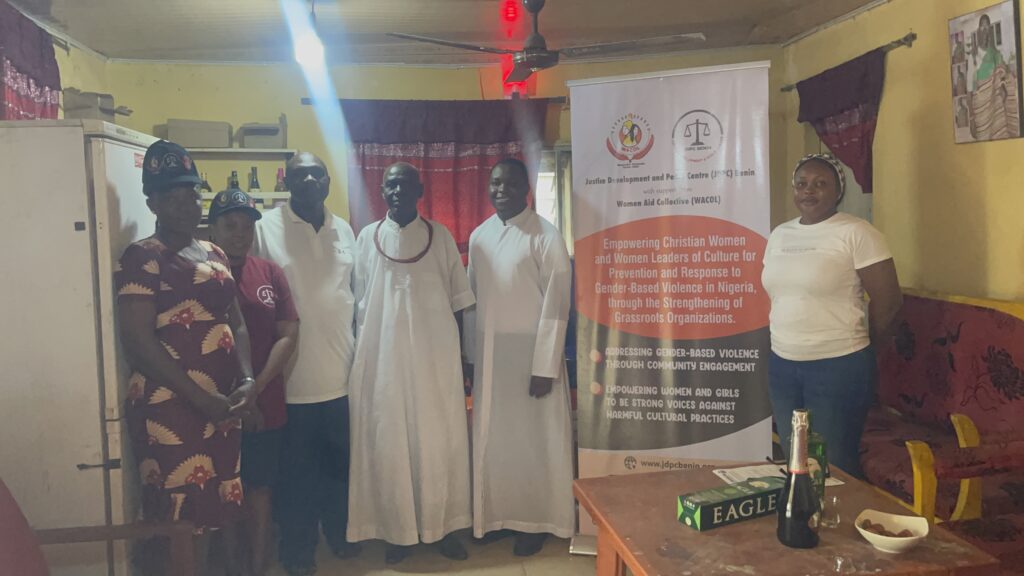
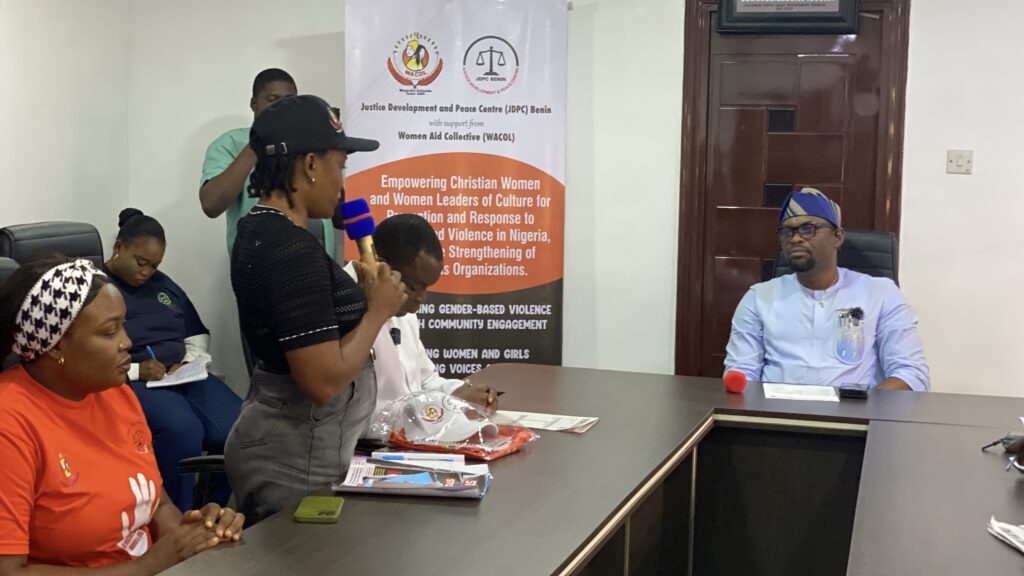
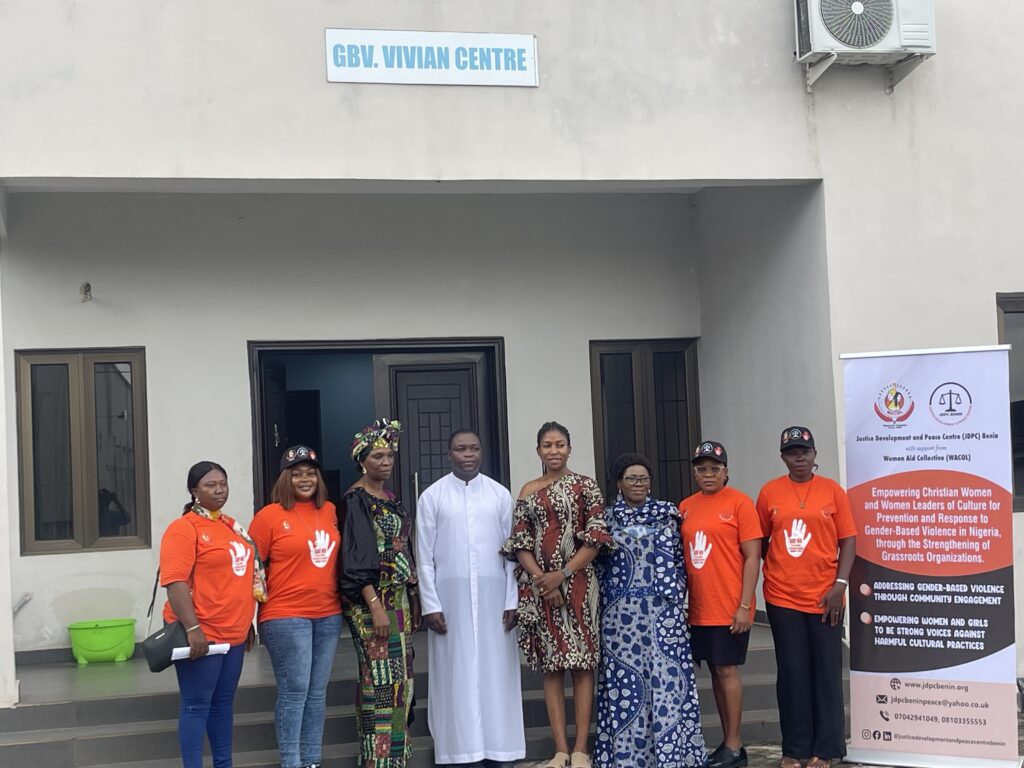
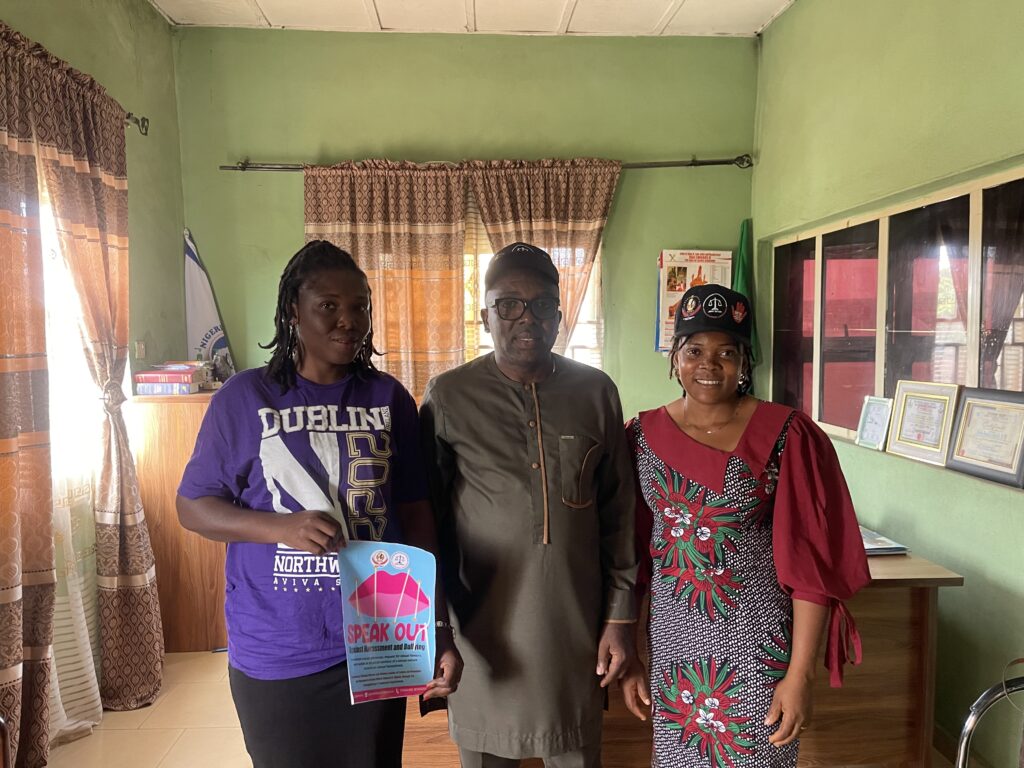
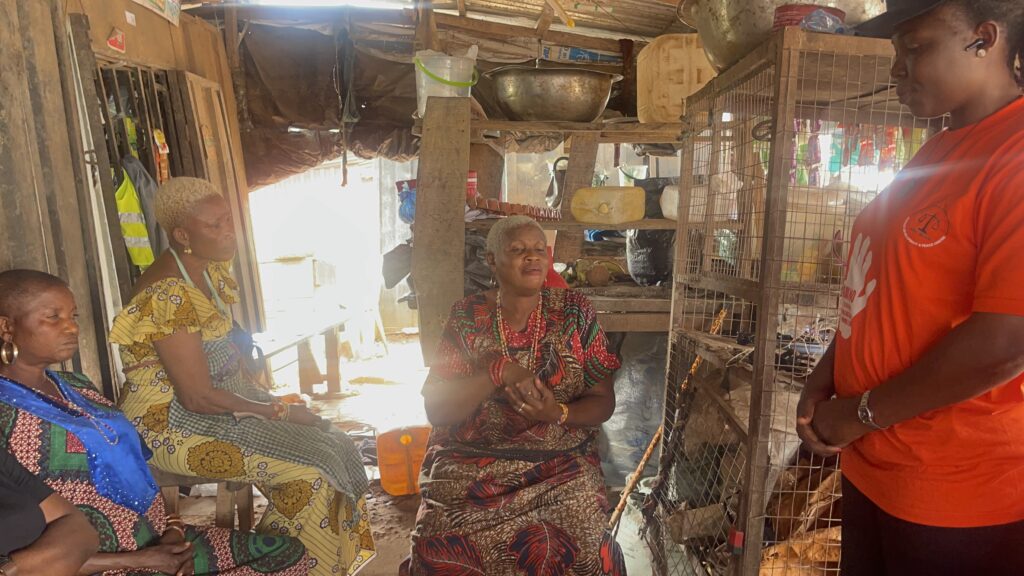
Advocacy visits to relevant stakeholders was carried out to strengthen institutional collaboration and secure high level buy in for the project’s objectives. Advocacy engagements were conducted with:
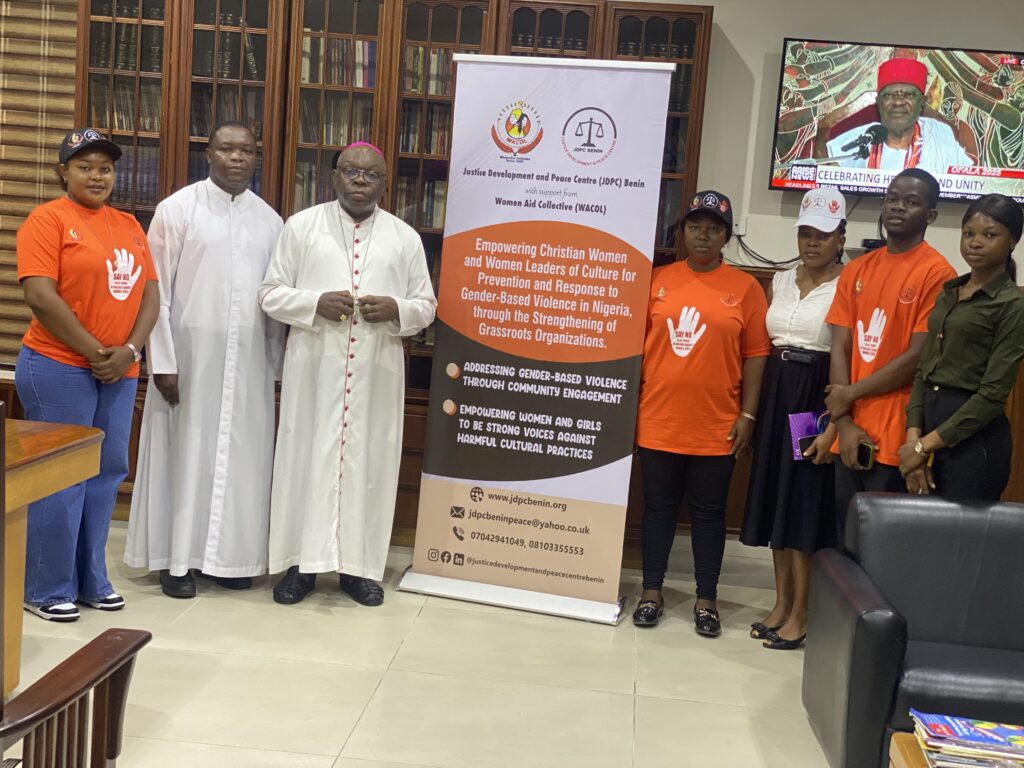
The Catholic Archbishop of Benin City
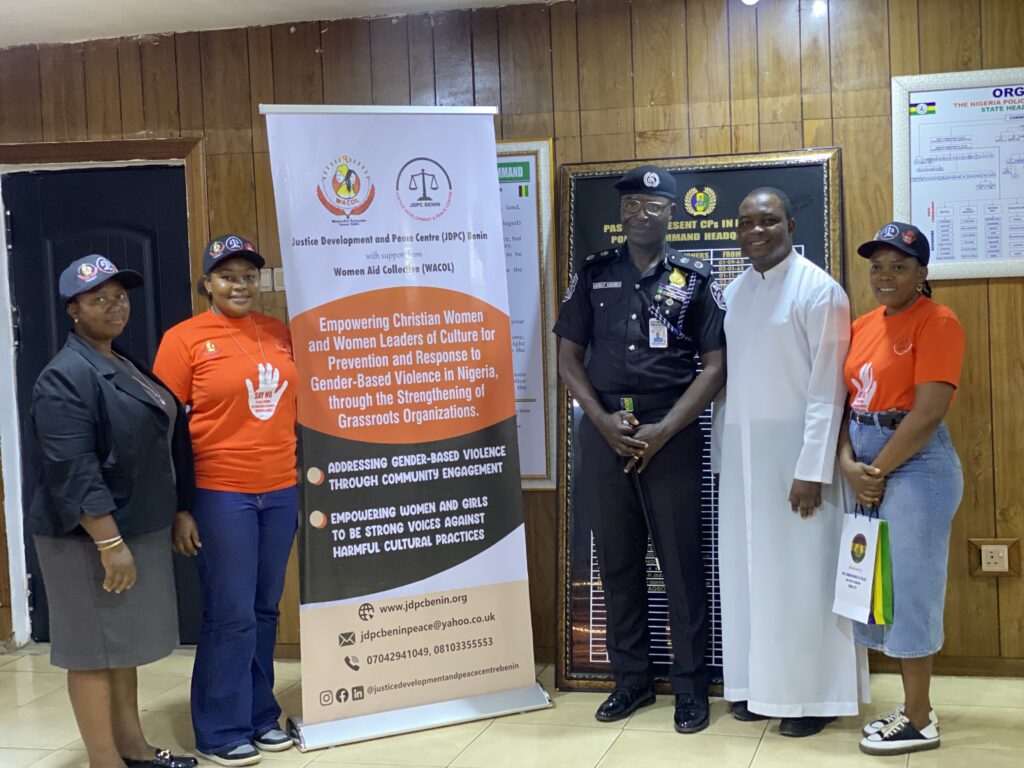
The Commissioner of Police, Edo State
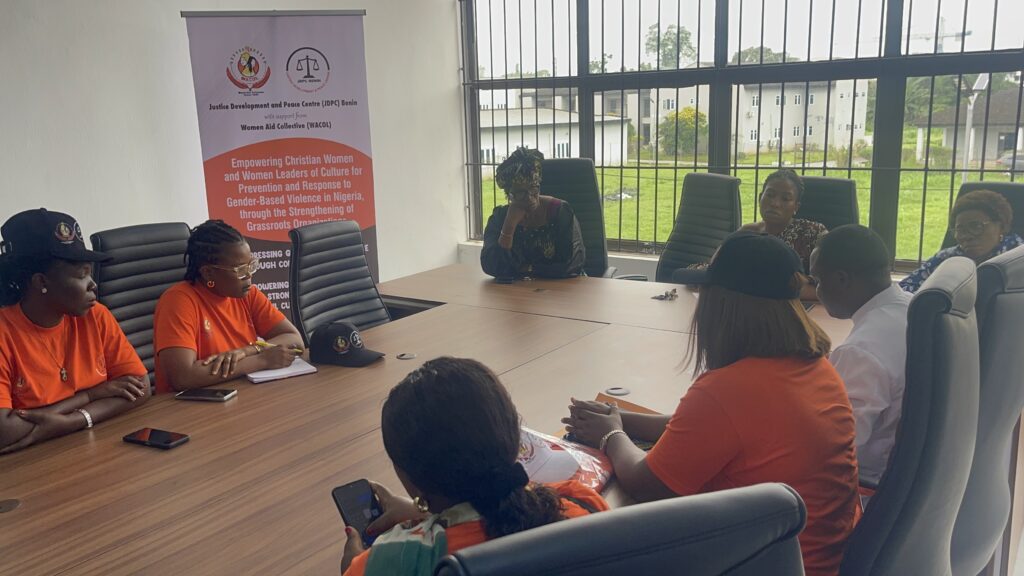
The Sexual Assault Referral Centre (SARC), also known as Vivian Centre
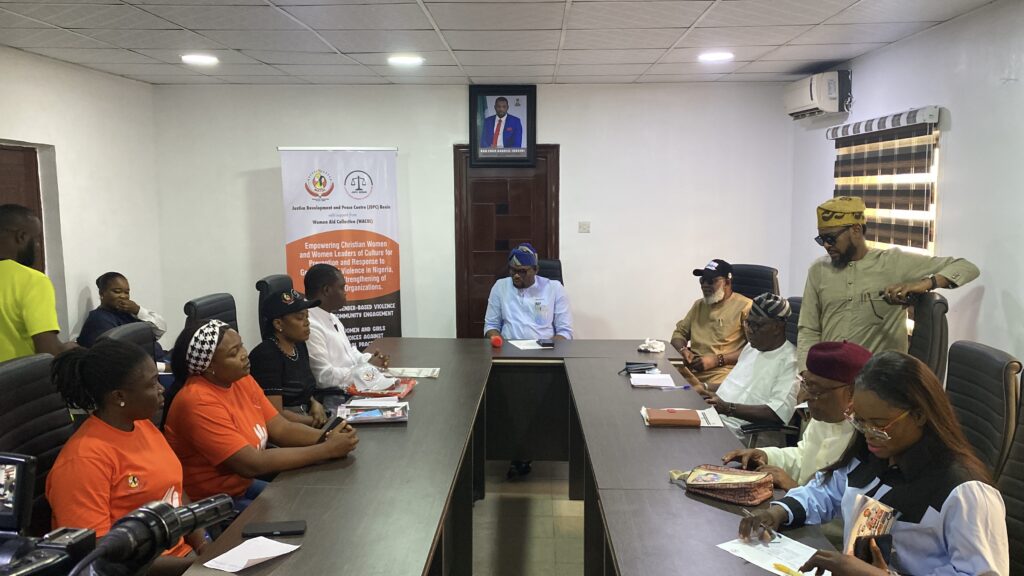
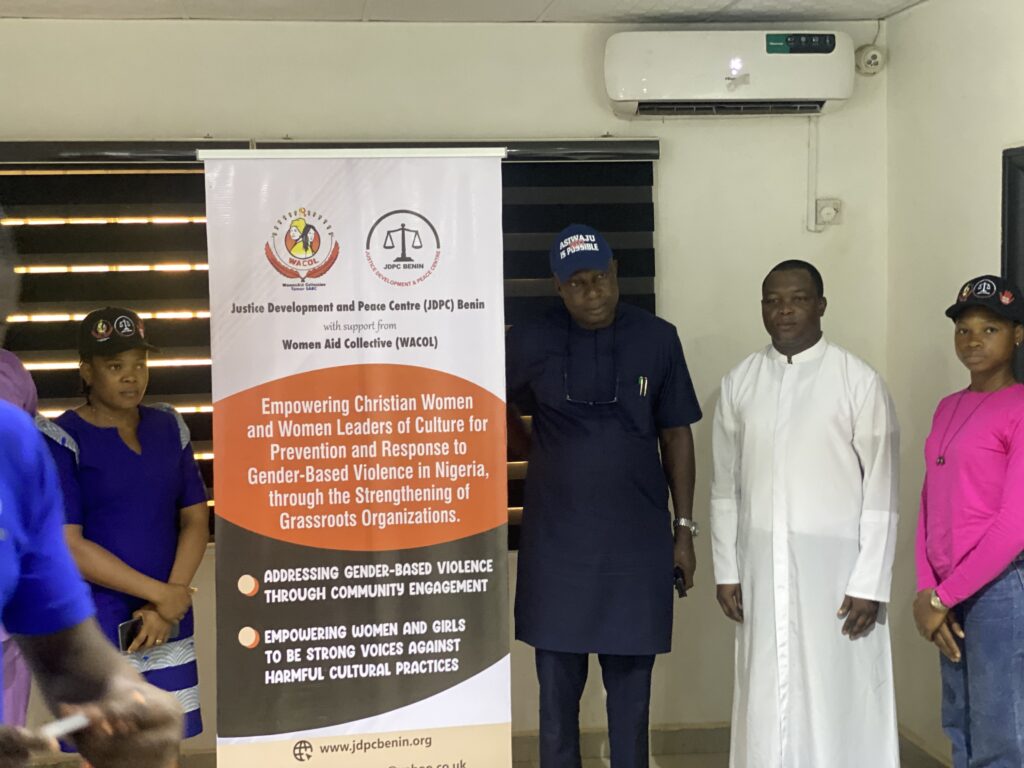
Chairmen of Egor and Oredo Local Government Councils
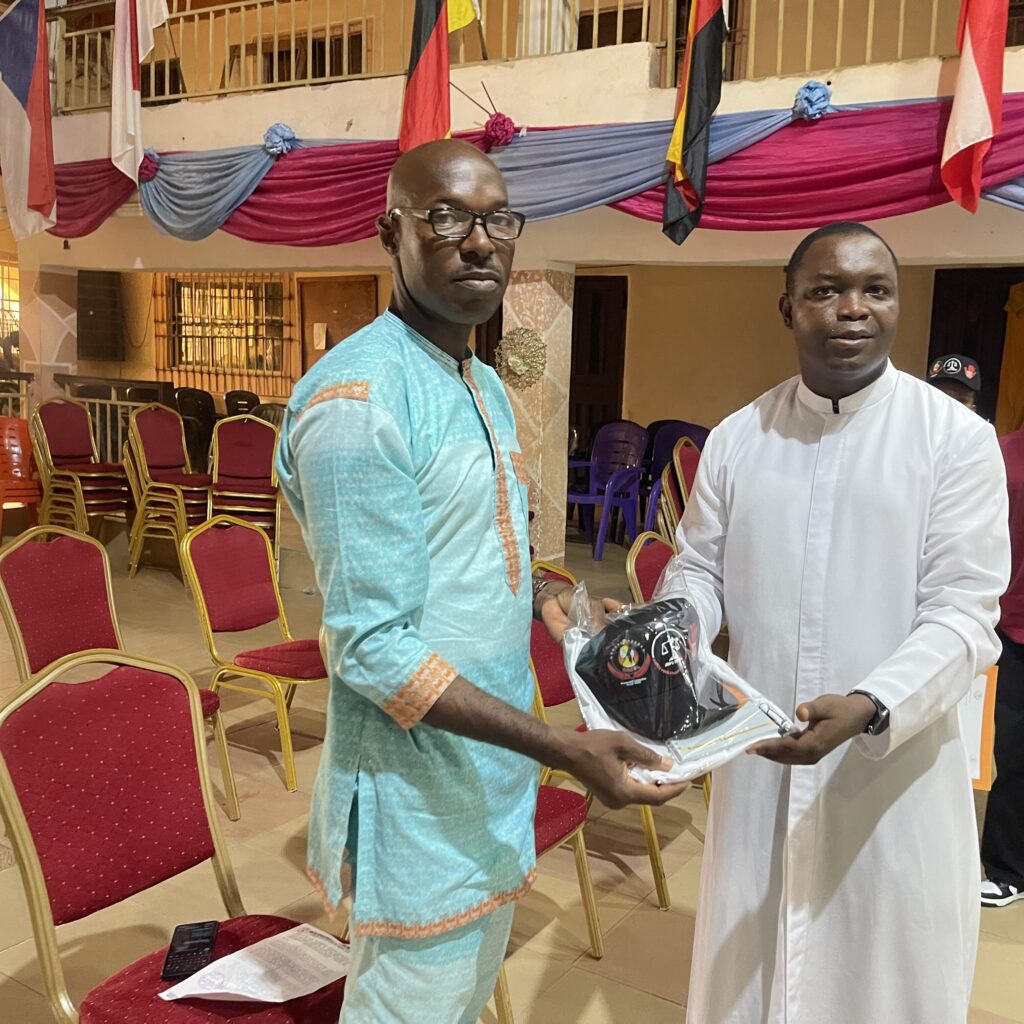
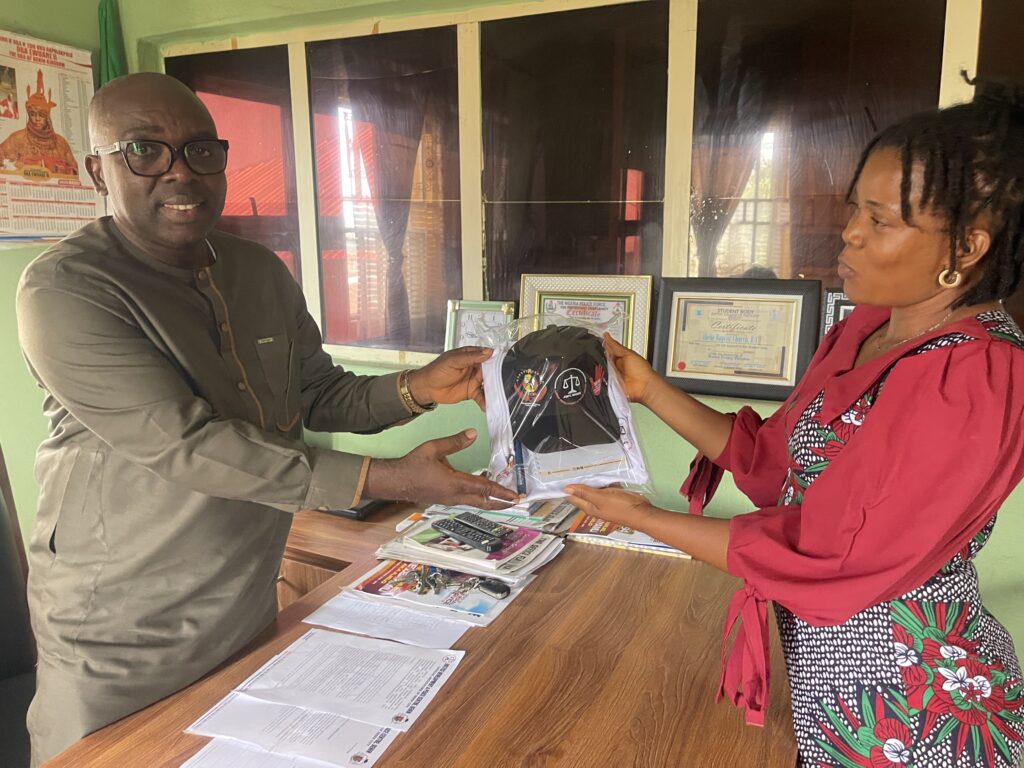
Christian Association of Nigeria (CAN) in Oredo and Egor
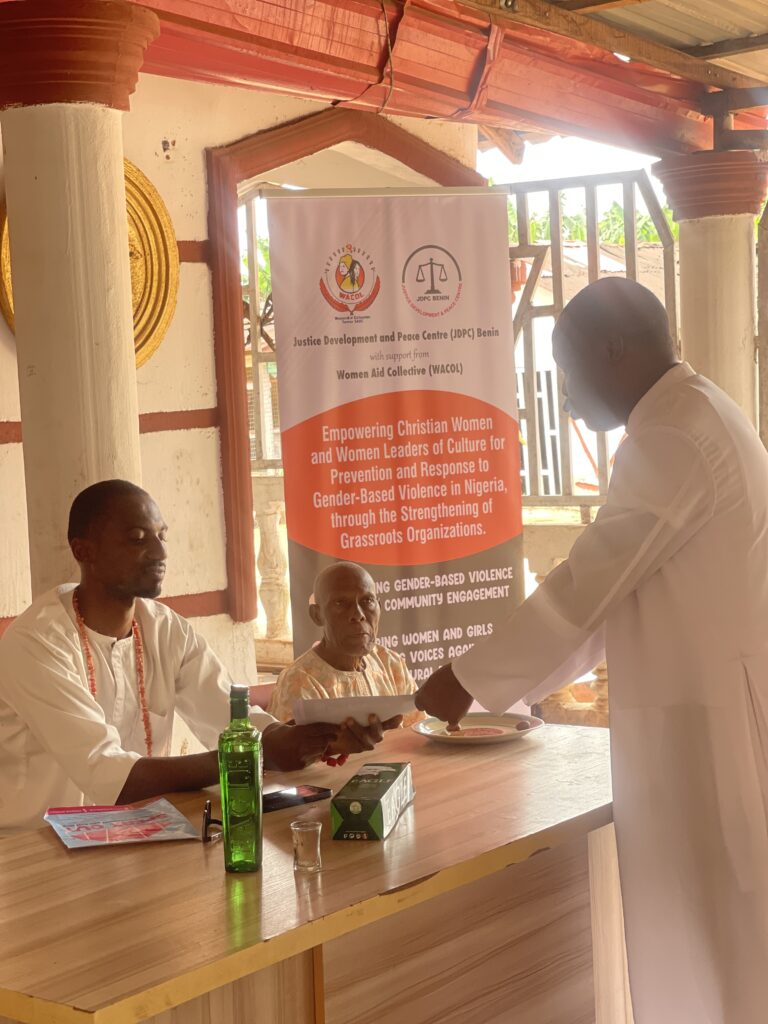
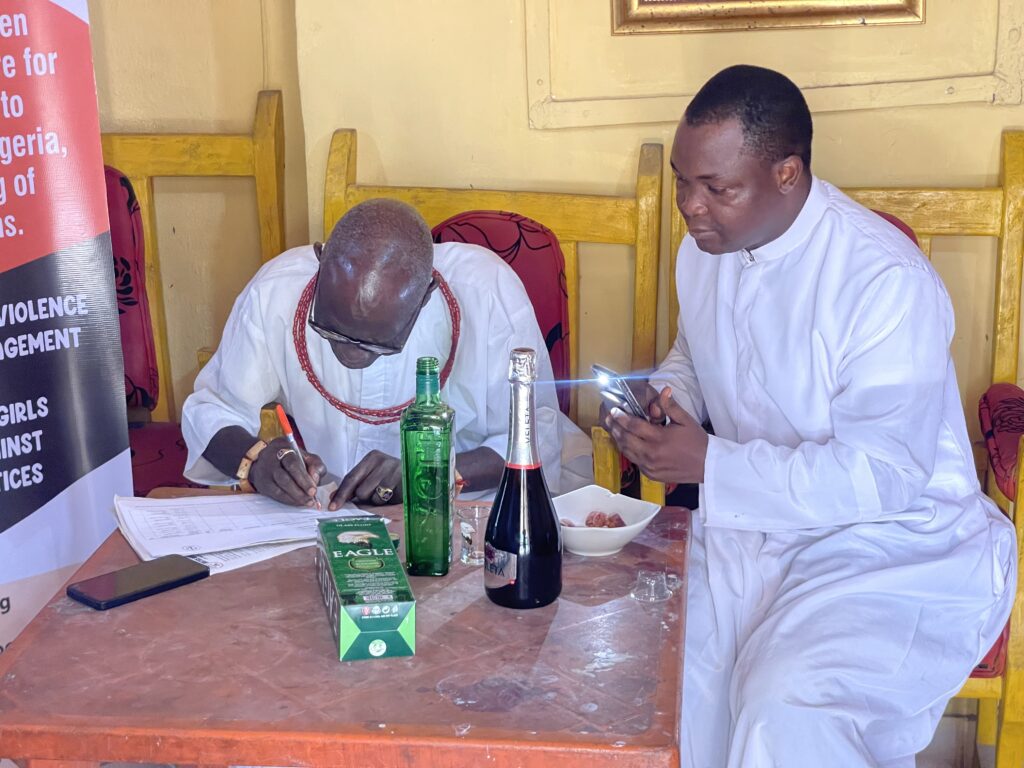
Enogie of Useh and Osogua of Benin kingdom
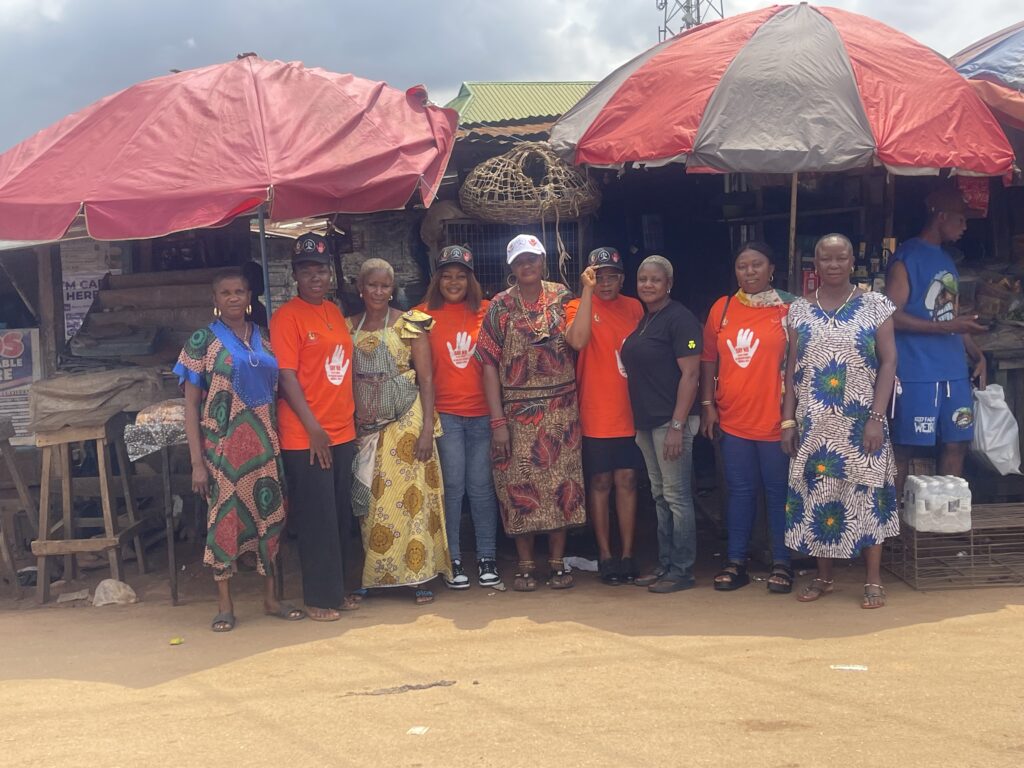
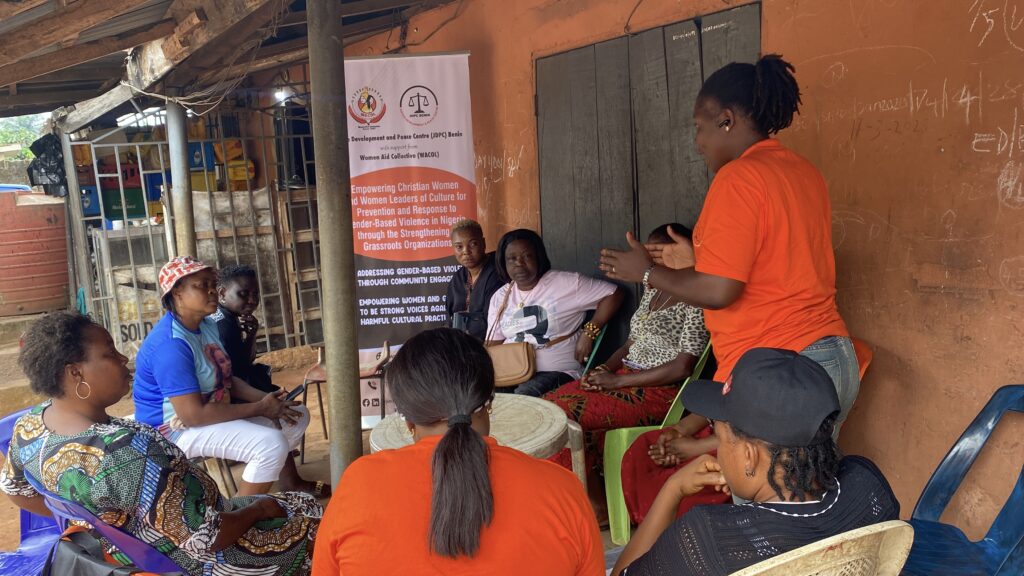
Women Leaders of Culture in Useh and Ogbe communities
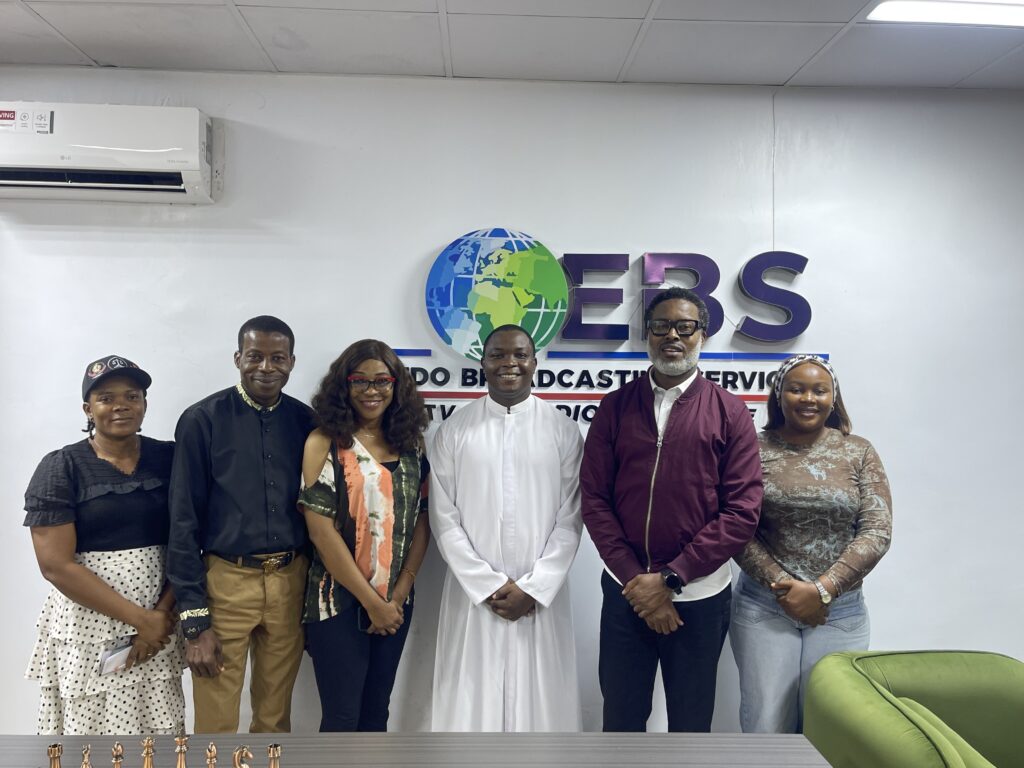
Edo Broadcasting Service (EBS)
Results and Achievements
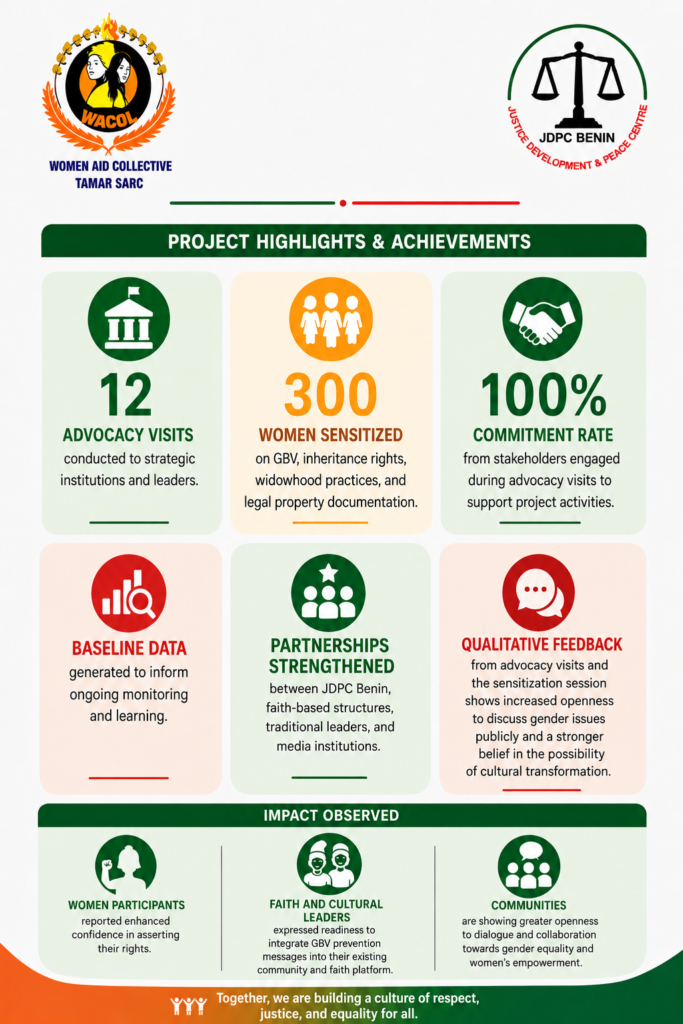
Through these activities, JDPC Benin made remarkable progress in laying the foundation for broader engagement in the next quarter. The advocacy visits resulted in strong institutional commitments from religious, government, and traditional stakeholders. The baseline survey provided actionable data that will guide program implementation, while the sensitization sessions empowered hundreds of women to identify and challenge GBV and discriminatory practices.
Gallery